
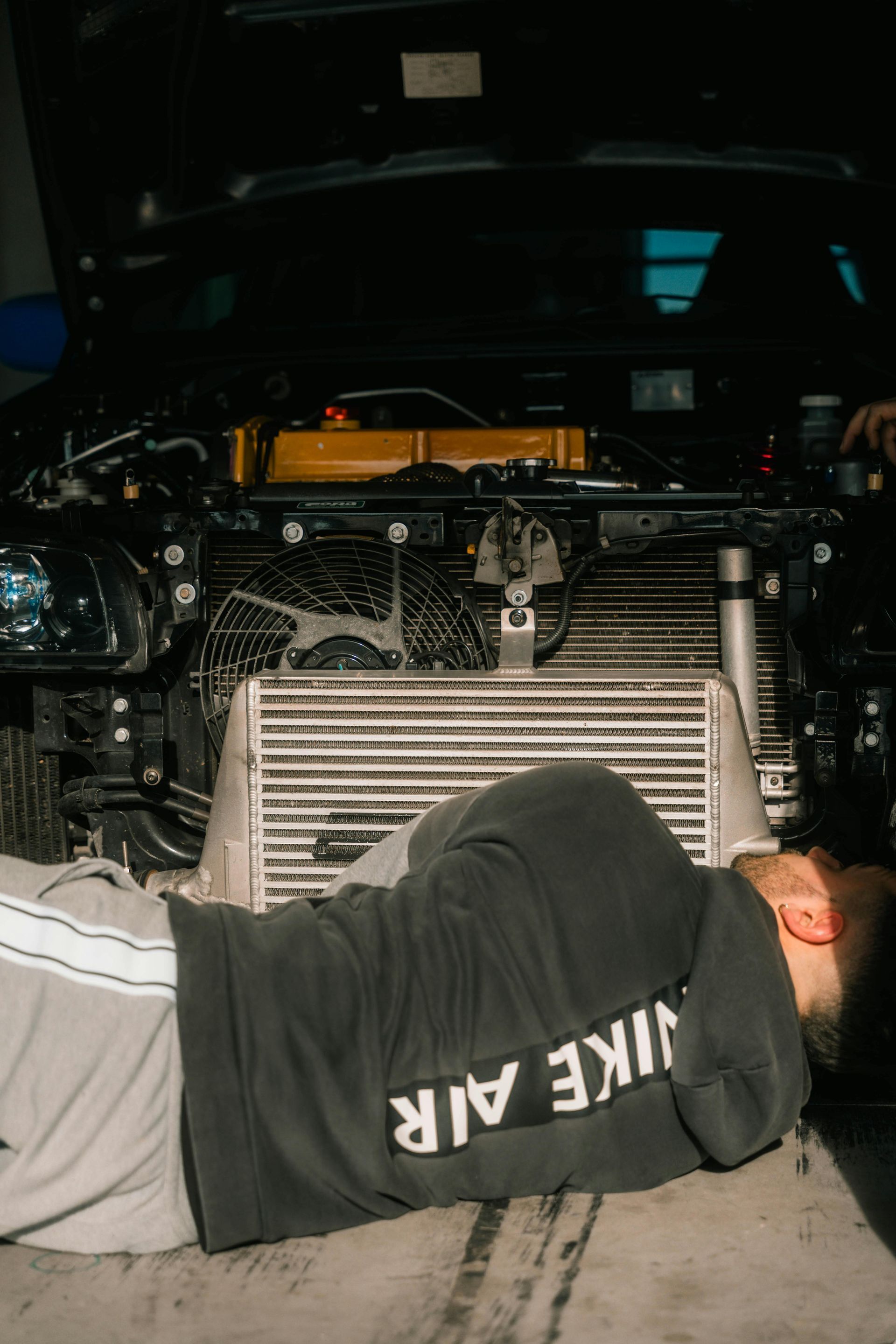
Prevent Engine Damage When Temperatures Climb
Radiator and Cooling System Repair in San Angelo for vehicles experiencing overheating and coolant leaks
NextGen Mobile Solutions diagnoses and repairs radiators, hoses, thermostats, and water pumps that fail to regulate engine temperature, preventing overheating that can warp cylinder heads or crack engine blocks. This service is for drivers in San Angelo who need cooling system reliability during high-heat conditions without scheduling time at a repair shop or risking further damage by continuing to drive an overheating vehicle. When your temperature gauge climbs into the red zone or coolant puddles appear under your vehicle, immediate repair is necessary to avoid catastrophic engine failure and thousand-dollar repair bills.
Your engine's cooling system circulates coolant through the block and cylinder head to absorb combustion heat, then passes that coolant through the radiator where airflow dissipates the heat before recirculation. When hoses crack, radiators corrode, or water pumps seize, coolant flow stops or leaks out, causing rapid temperature spikes that can destroy gaskets and warp metal surfaces. In West Texas, where summer temperatures regularly exceed 100 degrees, a failing cooling system loses effectiveness quickly and leaves you stranded on highways far from help.
If your temperature gauge reads high, steam escapes from under the hood, or you see green or orange fluid on your garage floor, contact NextGen Mobile Solutions for on-site cooling system diagnostics in San Angelo.
On-Site Leak Detection and Component Replacement
You receive a complete cooling system inspection using pressure testing equipment to identify leaks at hose connections, radiator seams, heater core fittings, and water pump seals that allow coolant to escape. This process also checks thermostat operation, radiator cap pressure retention, and coolant condition to ensure all components function together to maintain safe operating temperatures under load.
After the repair, your engine will maintain steady operating temperature during highway driving and stop-and-go traffic, your heater will produce consistent warmth in winter, and coolant levels will remain stable without needing frequent top-offs. NextGen Mobile Solutions performs the work at your location so you avoid the risk of driving an overheating vehicle to a shop and causing additional engine damage during transit.
The service includes flushing old coolant and replacing it with fresh antifreeze mixed to the correct concentration for your climate, as degraded coolant loses its ability to prevent corrosion and transfers heat less efficiently. Radiator replacement is performed when internal clogging or external damage prevents adequate heat dissipation, and hoses are inspected for cracks and soft spots that indicate imminent failure even if no leaks are currently visible.
What San Angelo Drivers Ask About Cooling System Work
These are questions drivers in San Angelo commonly ask about radiator and cooling system repairs performed on-site.
What causes an engine to overheat suddenly without warning?
A burst hose, failed water pump, or stuck thermostat can stop coolant circulation within seconds and cause the temperature gauge to spike before you have time to pull over safely.
How do you find coolant leaks that only appear when the engine is hot?
Pressure testing the system while cold forces coolant through small cracks and pin holes that expand under heat, revealing leaks that are invisible during normal inspection.
Why does coolant level drop without visible leaks on the ground?
Internal leaks into the combustion chamber or transmission cooler allow coolant to burn off or mix with other fluids, so it disappears without forming puddles under the vehicle.
How long does radiator replacement take at your location in San Angelo?
Most radiator replacements are completed in two to three hours including coolant drainage, hose disconnection, fan removal, and refilling with fresh antifreeze.
When should you flush coolant in San Angelo's high-heat climate?
Coolant degrades faster in extreme heat, so flushing every two to three years prevents corrosion and maintains optimal heat transfer capacity during summer driving.
If your engine runs hot, coolant levels drop unexpectedly, or you smell sweet antifreeze odor inside the cabin, schedule a cooling system inspection with NextGen Mobile Solutions in San Angelo to address leaks and prevent expensive engine damage.